
IC3 Blockchain Camp 2025
June 9-15, 2025 – Cornell Tech (Roosevelt Island), New York, NY
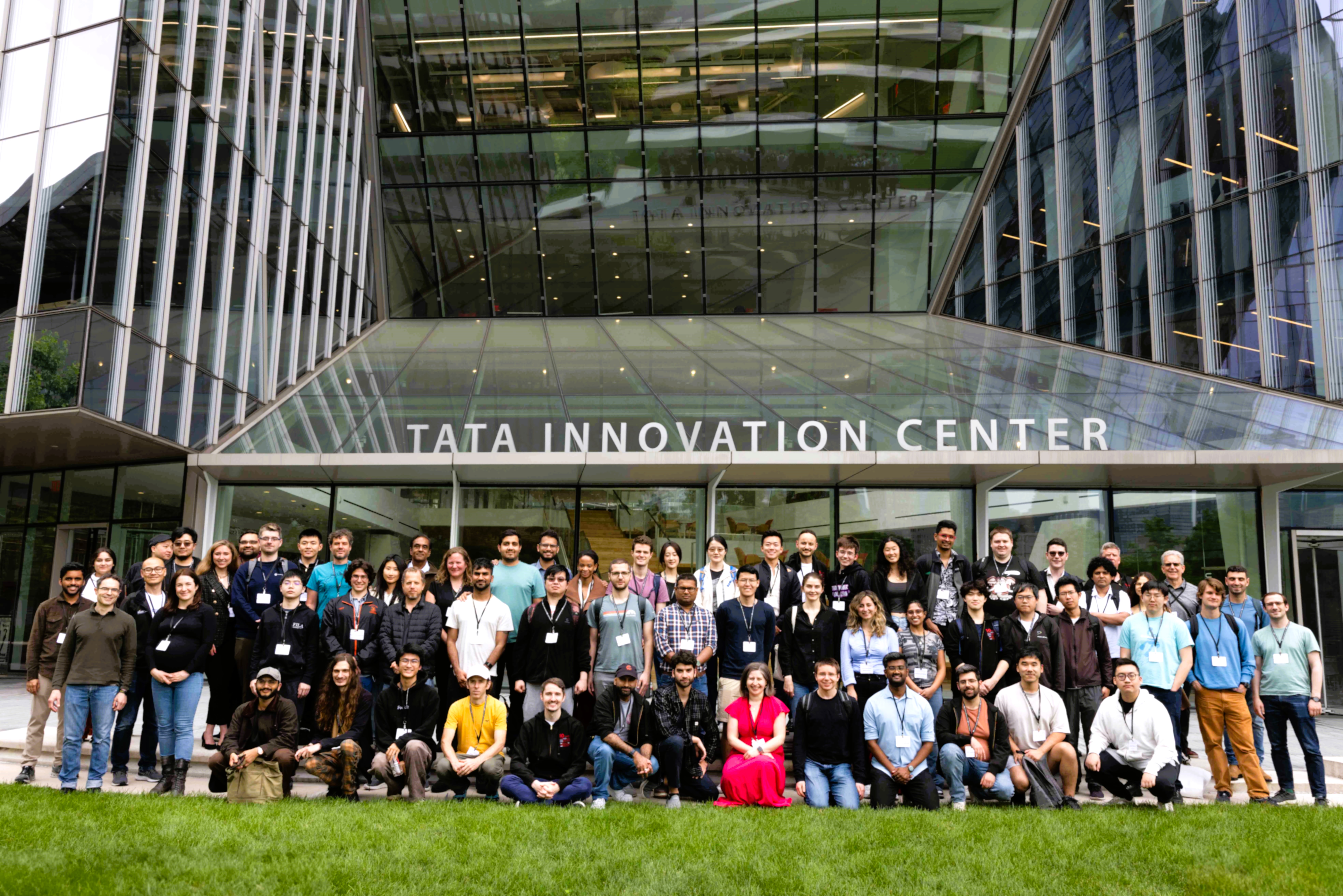
Months of planning, organizing, and scheduling finally came to fruition during the annual Blockchain Camp where we celebrated IC3’s 10-Year Anniversary. And yes, there was cake involved.
We produced ample research over the past decade, but it’s just the beginning. As Phil Daian (IC3 alum & co-founder of Flashbots) said during his Camp presentation on MEV, the next five years are crucial in terms of research.
Here are some highlights from the Camp:
Hackathon Winners
We want to start off by congratulating our Camp hackathon winners! We extend our heartfelt gratitude to our hackathon judges: Michael Chen (Category Labs), Steve Ellis (Chainlink Labs), Tyler Kell (Offchain Labs), and Gil Rosen (Blockchain Builders Fund, SBA). Their evaluations were grounded in five key criteria: novelty, practicality, user experience, technical difficulty, and the maturity of development achieved within the week.
1st place – Risk-Aware Restaking
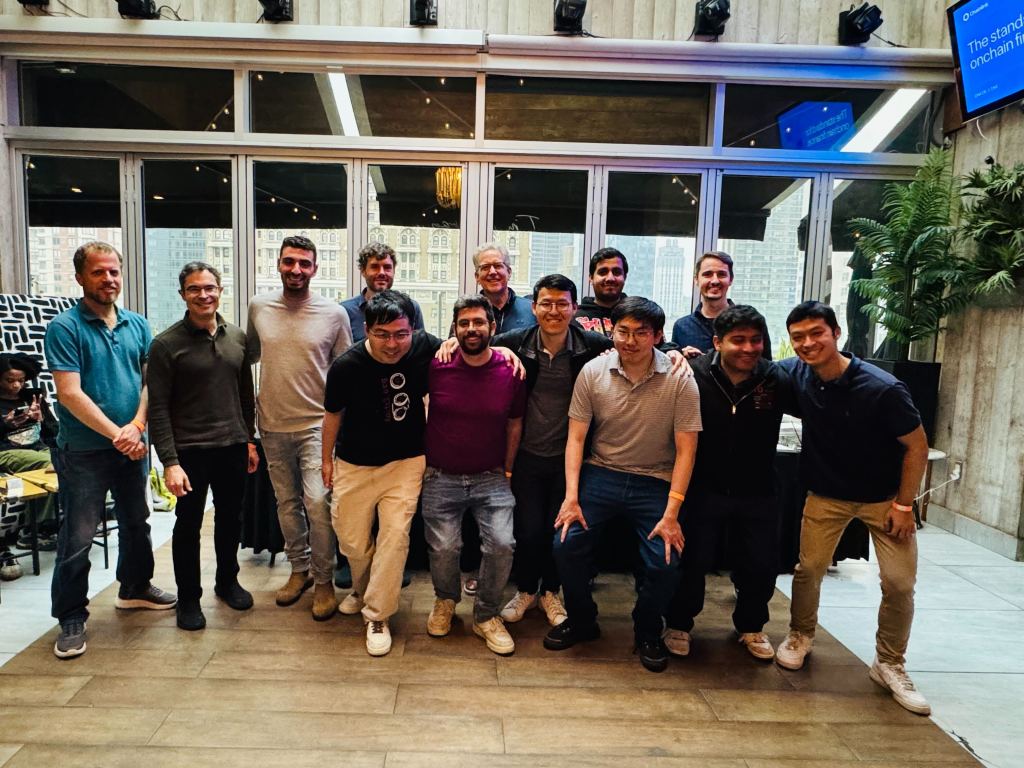
Restaking networks let validators reuse their staked assets to secure multiple blockchain services simultaneously. Roi Bar-Zur (Technion, IC3) and his team analyzed scenarios where services implement risk-aware caps to limit excessive restaking participation.
The team proved that splitting their stake is mathematically optimal and developed algorithms to compute the best allocations across services. Although this doesn’t exist today, they believe it could improve network security and result in better returns for validators.
To learn more about Risk-Aware Restaking, head to our blog where we conducted a Q&A with Roi about the project.
Team members: Roi Bar-Zur (Technion, IC3), Mateo Bastidas (Yale University), Hongyin Chen (Peking University, Technion, IC3), Dor Malka (Technion, IC3), Daniel Lee (Cornell University, IC3), Austin Li (Cornell University, IC3), Max Tang (Cornell University), and Sarisht Wadhwa (Duke University)
2nd place – DAO Buddy
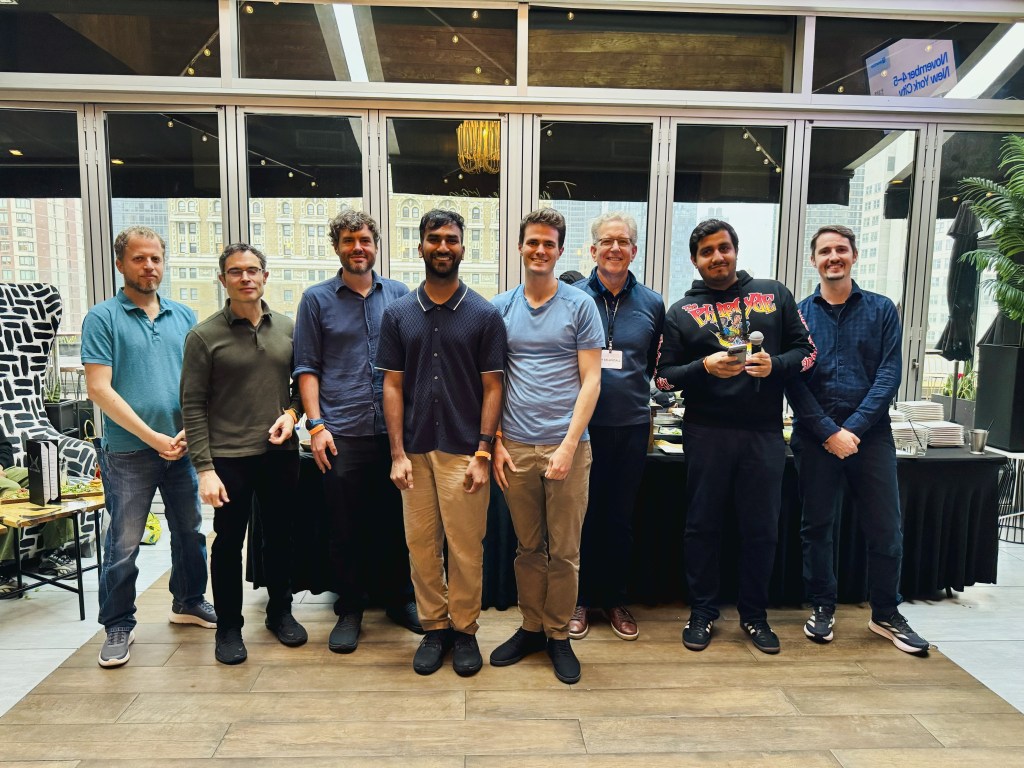
DAO Buddy is an AI-powered governance companion designed to simplify DAO participation. Built on IC3’s VBE dashboard, its goal is to reduce information overload and combat voter fatigue. The prototype pulls data from Tally, Tableau, Snapshot, LobbyFi, and the Arbitrum DAO forum to help Arbitrum DAO participants with tasks such as:
- Drafting clear, context-rich proposals that incorporate community sentiment
- Casting votes on active proposals
- Summarizing forum discussions
- Analyzing DAO delegate positions on various issues
Team members: Shashank Motepalli (University of Toronto), Sam Breckenridge (Cornell University, IC3), Anika Lakhani (Harvard University), Haaroon Yousaf (IC3), and Amy Zhao (Ava Labs, IC3)
3rd place – DeadDrop
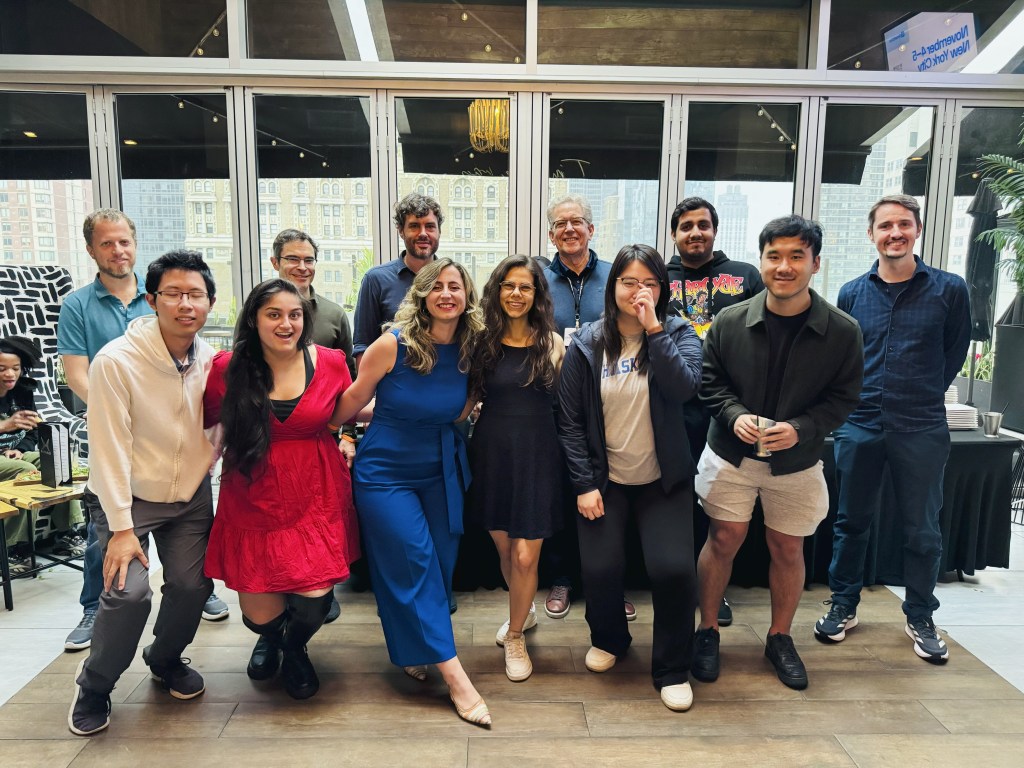
Prof. Fan Zhang (Yale University, IC3) and the team behind DeadDrop built a system for bug hunters to responsibly disclose smart contract bugs to deployers with confidentiality and spam prevention.
While existing BlockChat systems can be used to reach smart contract deployers, they also learn the message recipients, revealing which smart contracts are buggy. DeadDrop uses Oblivious Message Retrieval (OMR) and TEEs to ensure private communication between bug hunters and smart contract developers.
Team members: Fan Zhang (Yale University, IC3), Jasleen Malvai (UIUC, IC3), Silei Ren (Cornell University, IC3), Stephanie Ma (Cornell University), Yavor Litchev (Stanford University), Mariarosaria Barbaraci (University of Bern, IC3), Jonas Chen (UCSB), Marwa Mouallem (Technion, IC3), and Cynthia Wang (Stanford University)
Honorable mention – T-E-Esports
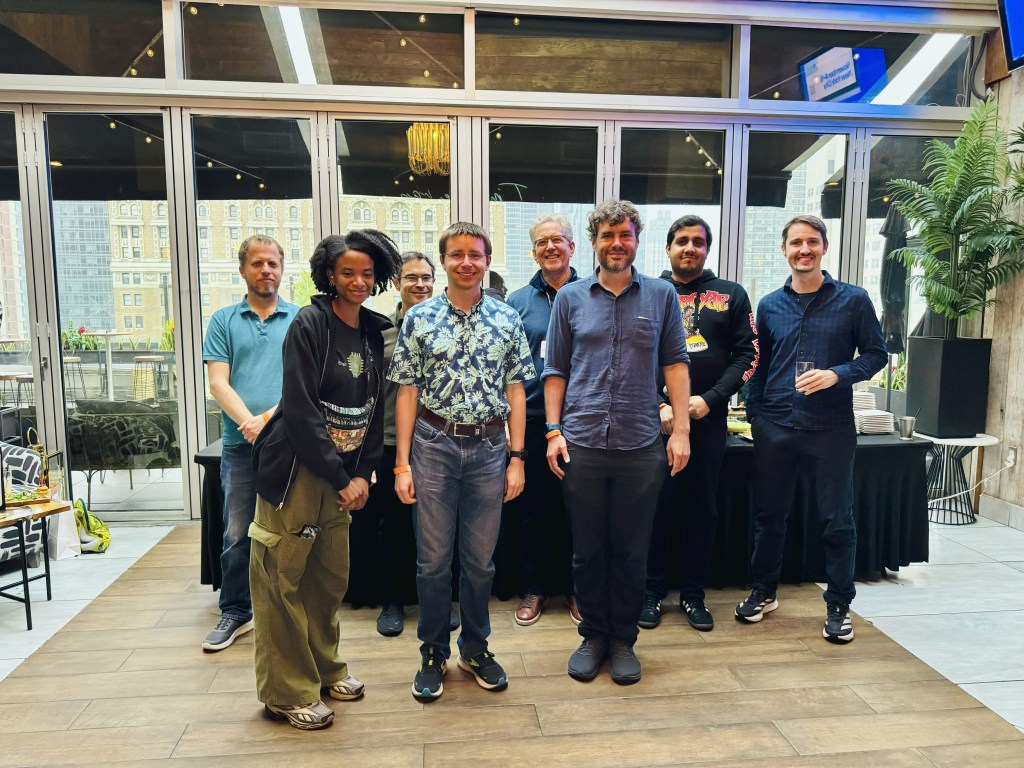
The T-E-Esports team led by Andrew Miller (Teleport, Flashbots, IC3) identified how TEEs can reduce the reliance on trusted server operators in online games and enable blockchain interfaces with them.
They proved they can run a Luanti server (an open-source, Minecraft-like game engine) inside a TEE container which reads game settings from a smart contract, begins a 1v1 battle game, and finally reports the outcome of the battle to the smart contract.
Team members: Andrew Miller (Teleport, Flashbots, IC3), Hang Yin (Phala Network), James Austgen (Cornell Tech, IC3), Jiasun Li (George MAson University), and Nerla Jean-Louis (UIUC, IC3)
Camp Highlights
Our agenda covered a wide range of research topics including consensus, privacy, security, crypto AI, DAOs, and traditional finance.
MonadBFT: Fast, Responsive, Fork-Resistant Streamlined Consensus
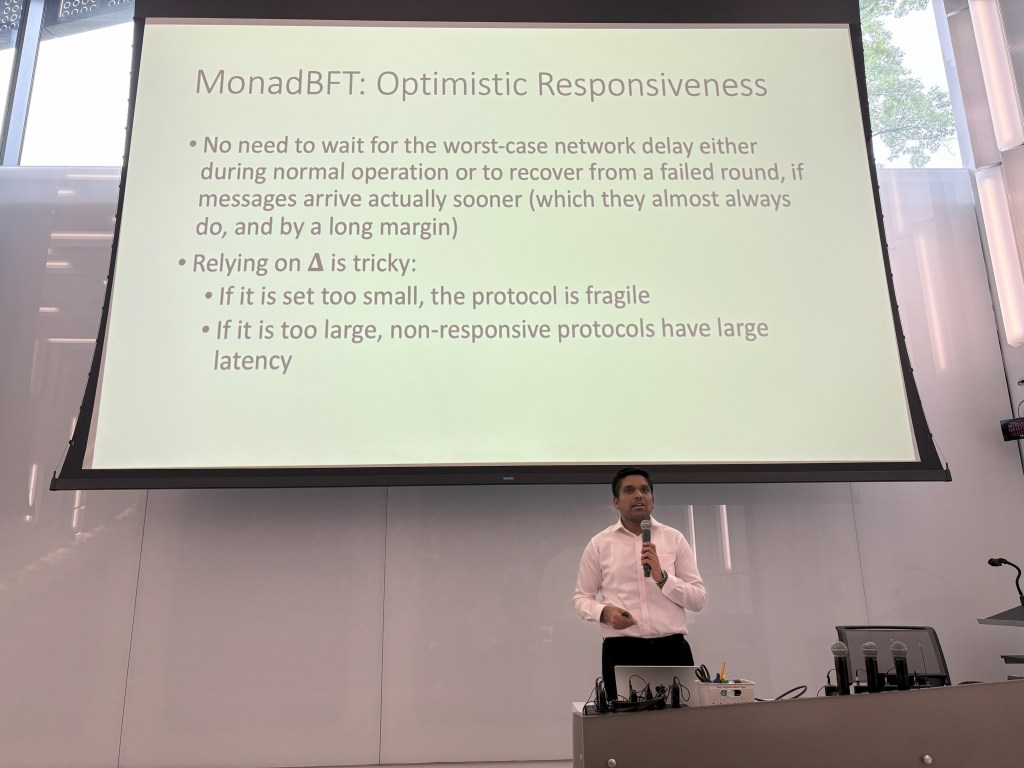
Kushal Babel (Researcher at Category Labs & IC3 alum) broke down Monad’s consensus protocol, MonadBFT, a pipelined BFT protocol designed for high-throughput L1 blockchains. MonadBFT draws inspiration from the HotStuff family of protocols, known for their linear communication complexity and responsiveness.
According to Kushal, some key features include:
- Fast execution with speculative single-round commit latency
- Prevents tail forking, resisting MEV time-bandit attacks
- Maintains core guarantees: optimistic responsiveness and linear message complexity on the happy path (when the network is synchronous and behavior is honest)
Functional Regulation for Layer One Infrastructure
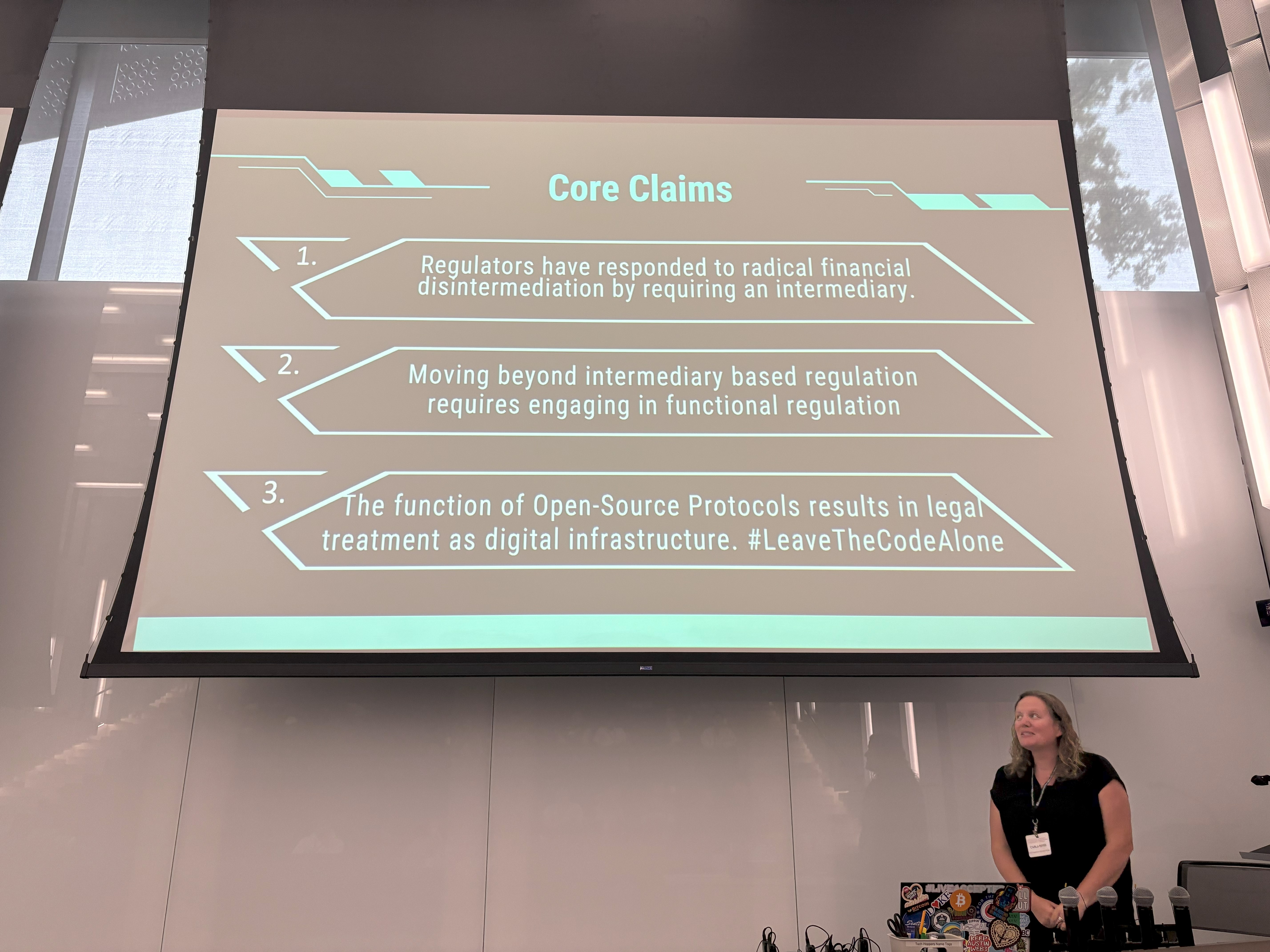
“When a reckless driver causes a collision on a highway, authorities charge the driver, not those who constructed the highway. The same principle should apply to the blockchain space,” was the message Prof. Carla Reyes (SMU Dedman School of Law, IC3) wanted to drive home during her presentation Functional Regulation for Layer One Infrastructure.
Carla’s research argues that a functional approach to regulating distributed ledger technology leads to a conclusion that open-source L1 & L2 smart contract protocols are public digital infrastructure. Therefore, the law should ensure open access to such protocols and focus on regulating individuals or businesses conducting actionable activities via the infrastructure, rather than targeting the infrastructure itself or its developers.
Alpenglow: Solana’s New Consensus Protocol
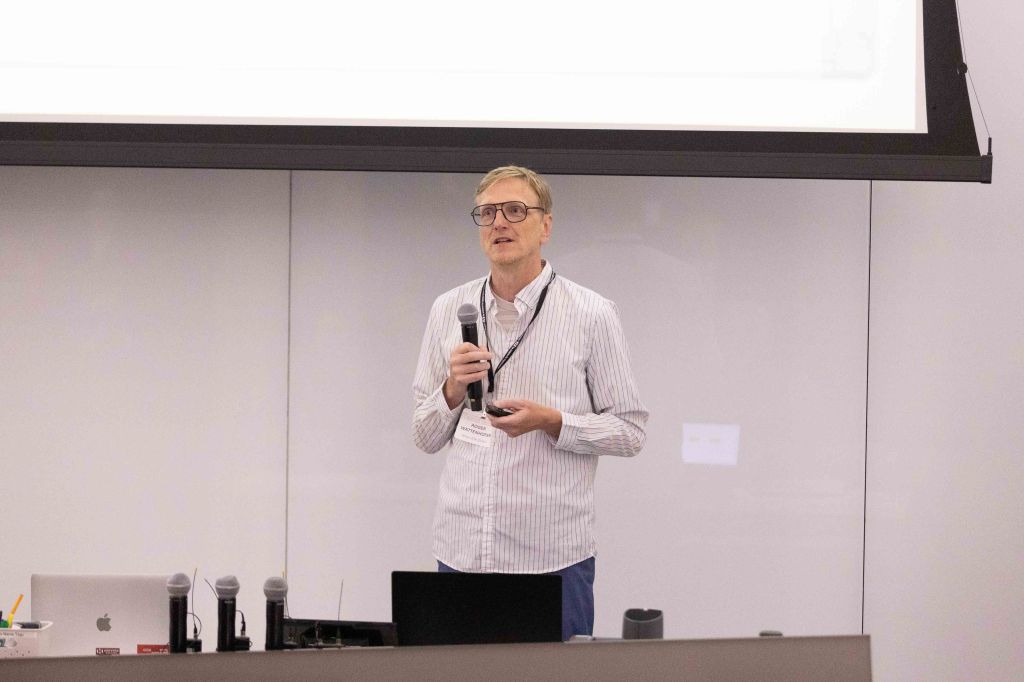
Leading expert in distributed systems Prof. Roger Wattenhofer (Head of Research, Anza) joined the Camp to talk about Solana’s new consensus protocol, Alpenglow, that is set to be implemented later this year.
Alpenglow is designed to replace several legacy components of Solana’s consensus stack (namely TowerBFT and Proof-of-History) with two new components: Votor and Rotor, which together optimize for performance and speed.
Fraud Proof Protocols: BoLD, Dave, and other alternatives
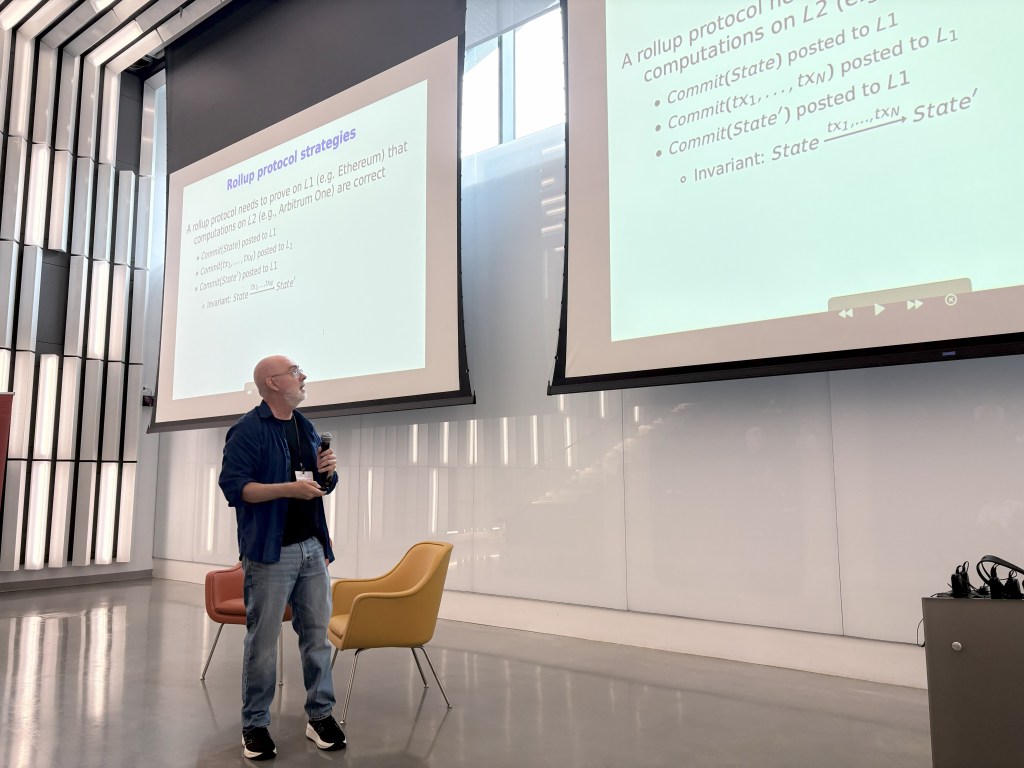
Victor Shoup (Principal Research Scientist, Offchain Labs) examined two different fraud proof protocols (BoLD vs. Dave) during his Camp presentation. He noted while each has their own approach to bisection and multiple vs. single rounds of proving, there are trade-offs in terms of delay, resources required, and cost. You can access his research on the topic here.
Anniversary Day Recap
Selfish Mining
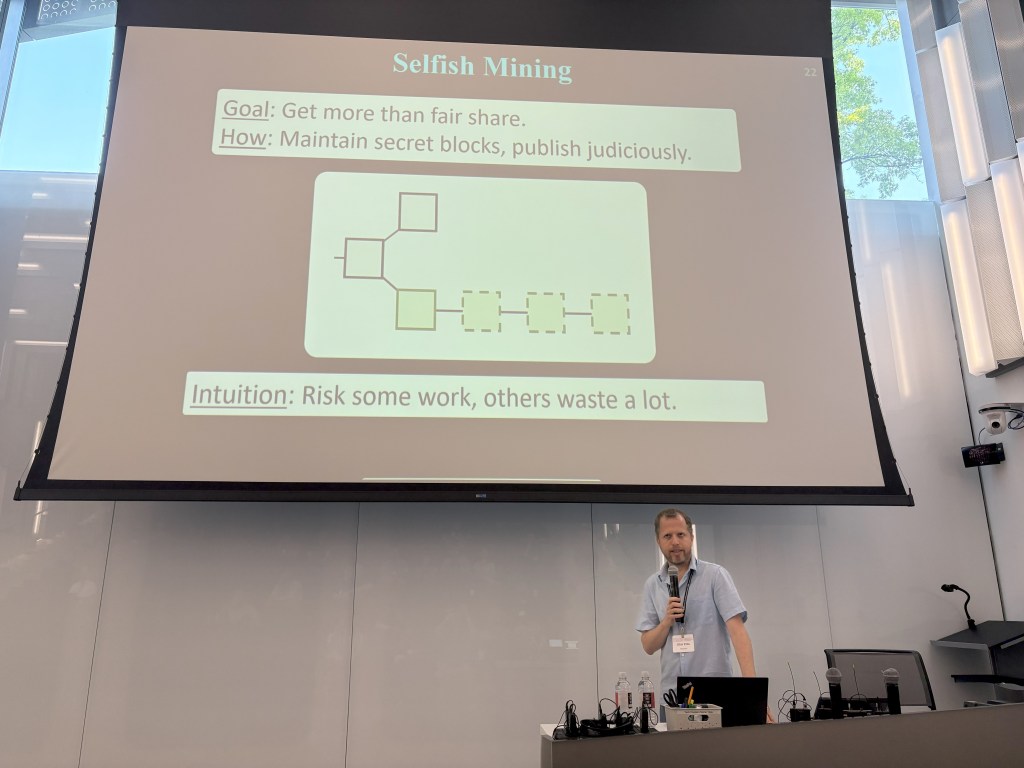
Prof. Ittay Eyal (Technion, IC3) shared his landmark 2014 research with Emin Gün Sirer (Founder & CEO of Ava Labs, former IC3 Co-director) Majority is not Enough: Bitcoin Mining is Vulnerable.
They uncovered Selfish Mining, a strategy where miners can deviate from honest behavior and secretly mine blocks to game the system and earn outsized rewards.
DECO: Oracles, zkTLS, and Data Liberation
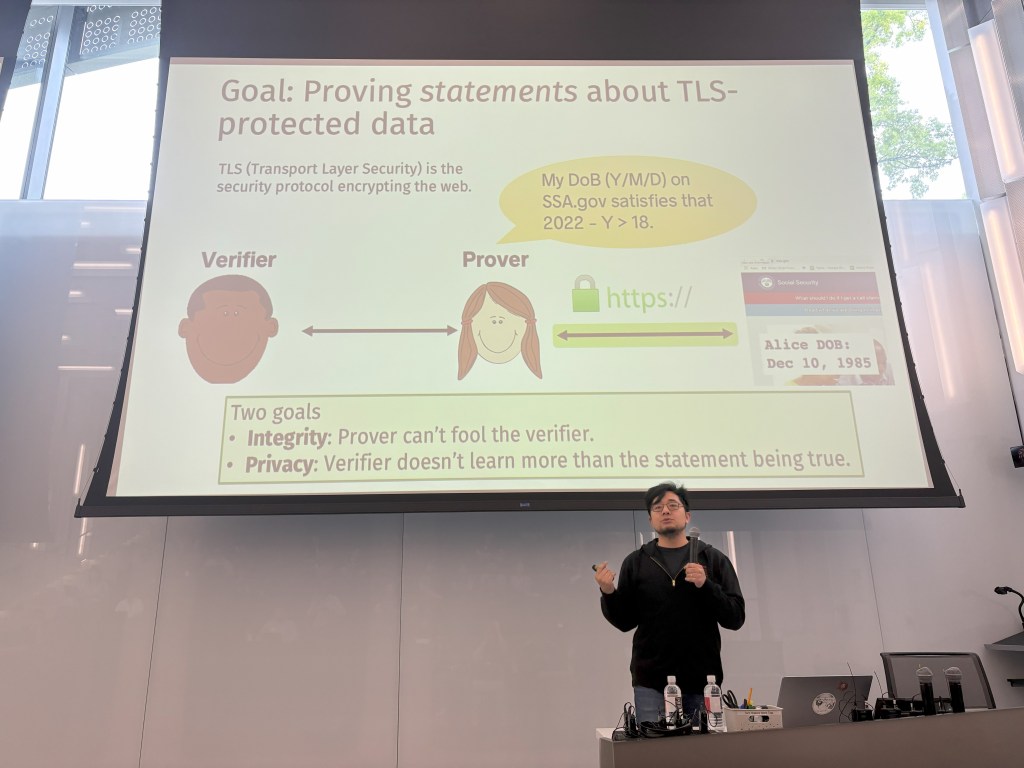
Town Crier and DECO are two oracle protocols developed by IC3 researchers to securely bridge data from the web to smart contracts, but they differ significantly in trust assumptions, cryptographic techniques, and privacy guarantees.
Prof. Fan Zhang (Yale University, IC3), lead author of both papers, spoke about his original research, some of the technical challenges each protocol presents, and overall impact on the industry.
A Fistful of Bitcoins
By now, many of us probably forget a time when the price of BTC was hovering around $100 and the Silk Road was a thriving cryptocurrency bazaar.
During the Camp, Sarah Meiklejohn (UCL, IC3) presented her 2012 research, A Fistful of Bitcoins: Characterizing Payments Among Men with No Names, which explored how Bitcoin was used at the time, and whether its users could be identified.
By combining heuristics, clustering techniques, and layered data collection, her team was able to trace onchain activity and link multiple addresses to individual users. As a result, she helped successfully track $3+ million in BTC to illicit activities.
The takeaway? It is nearly impossible to remain anonymous on Bitcoin.
Fireside Chat: Scaling Ethereum
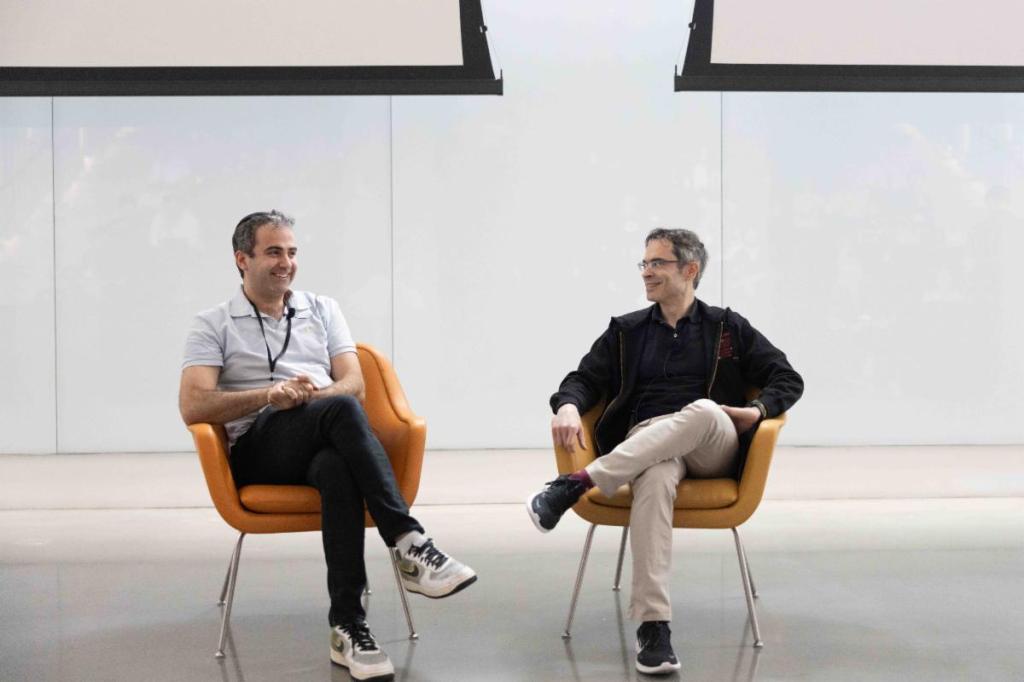
Steven Goldfeder (Co-founder & CEO of Offchain Labs, IC3 alum) and Prof. Ari Juels (IC3 Co-director, Chainlink Labs) reflected on the early days of building Arbitrum, when Steven was a postdoctoral researcher at Cornell Tech under Ari’s guidance.
“At the time, it [scaling] was still a somewhat controversial subject,” said Steven. “No one saw it as a problem that needed to be solved.” Fast forward to 2025, and scaling blockchain infrastructure remains one of the biggest challenges facing the industry today, including Ethereum.
Steven’s advice for new founders?
“Fight for your ideas. If you believe in what you’re building and you’re right, people will eventually come around,” said Steven. Today, Arbitrum is the largest L2 in the blockchain ecosystem, securing more than $13B in value.
Panel: The DAO Hack & Ethereum Hard Fork
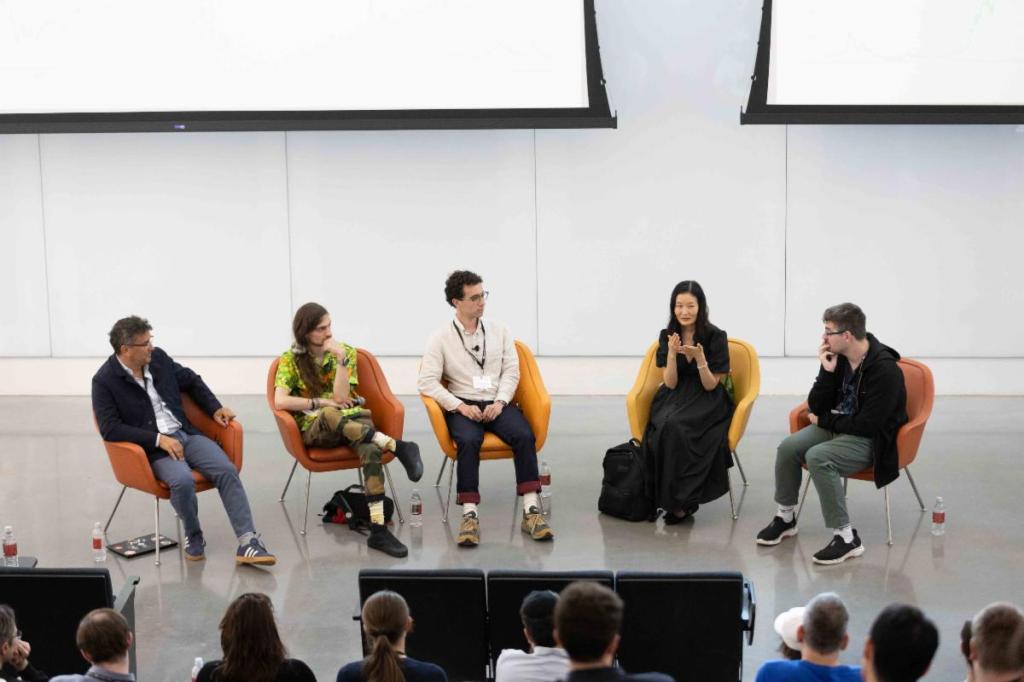
The DAO hack and Ethereum hard fork of 2016 remains one of the most important yet controversial events in blockchain history.
IC3 hosted a panel featuring Emin Gün Sirer (Ava Labs, former IC3 Co-Director), Phil Daian (Flashbots, IC3), Tjaden Hess (Trail of Bits), Laura Shin (Unchained), and Patrick McCorry (Arbitrum Foundation, IC3), who closely followed the attack as it unfolded.
IC3 played a notable role in the events leading up to the hard fork. Its researchers were among the first to publicly identify The DAO’s vulnerabilities, including reentrancy hazards, and called for a temporary moratorium before the $50M exploit occurred. The hard fork itself was implemented during the 2016 IC3 bootcamp, attended by Ethereum co-founder Vitalik Buterin and former Ethereum developer Vlad Zamfir. Both played a pivotal role in the hard fork decision and implementation.
Looking for more 2025 Camp Highlights? Check out our X and LinkedIn pages where we shared photos and recaps of the talks and presentations.
Our Partners & Sponsors
We’d like to thank our partners and sponsors for their continued support in funding IC3’s research and events throughout the year.
A special thanks to Chainlink, Phala Network, and The Solana Foundation for sponsoring this year’s IC3 Blockchain Camp.
The Agenda
| IC3 2025 Blockchain Camp Agenda | ||
| Monday – June 9, 2025 ~ Kickoff ~ Chair: Sarah Allen | ||
| 8:30 – 9:30am | Breakfast | Bloomberg Lower Level |
| 9:30 – 10:45am | Session I (75 minutes) | BLM 131 |
| 1. Ari Juels (Cornell Tech, IC3 Co-Director, Chainlink Labs) – “Introduction to the 2025 Camp” | ||
| 2. Kushal Babel (Category Labs, IC3 alum) – “MonadBFT: Fast, Responsive, Fork-Resistant Streamlined Consensus” | ||
| 3. Deepak Maram (Mysten Labs, IC3 alum) – “Walrus: An Efficient Decentralized Storage Network” | ||
| 10:45 – 11:30am | Break (45 minutes) | Bloomberg Lower Level |
| 11:30am – 1:00pm | Session II (90 minutes) | BLM 131 |
| 1. Manuel Vidigueira (Chainlink Labs) – “Simple and Secure State Synchronization” | ||
| 2. Bryan Zheng (EigenPhi) – “MEV Microstructure Lens: 10 Myth Busters That Decode Macro Impact on Ethereum” | ||
| 3. Jasleen Malvai (UIUC, IC3) – “Black-box Approaches to Authenticated Dictionaries: New Constructions and Lower Bounds” | ||
| 1:00 – 2:00pm | Lunch ~Bird~ | Bloomberg Lower Level |
| 2:00 – 3:00pm | Project Intros & Team Selection | BLM 131 |
| 3:00 – 6:00pm | Allocated time for the hackathon (All Breakout Rooms) | BLM 61, 71, 81, 91 |
| 6:00 – 8:00pm | Opening Dinner | Graduate Hotel – AAA Restaurant |
| Tuesday – June 10, 2025 ~TradFi and Regulation ~ Chair: Jim Ballingall | ||
| 8:30 – 9:30am | Breakfast | Bloomberg Lower Level |
| 10:00am – 1:00pm | Allocated time for the hackathon (All Breakout Rooms) | BLM 61, 71, 81, 91 |
| 1:00 – 2:00pm | Lunch ~Nacho Bar ~ | Bloomberg Lower Level |
| 2:00 – 3:30pm | Session I (90 minutes) | BLM 131 |
| 1. Vivek Raman (Etherealize) – “Ethereum’s Institutional Tokenization Framework” | ||
| 2. Carla Reyes (SMU Dedman School of Law, IC3) – “Functional Regulation for Layer One Infrastructure” | ||
| 3. Olivia Vande Woude (Ava Labs) – “Beyond the Hype: Dispelling RWA/Tokenization Misconceptions” | ||
| 3:30 – 4:00pm | Break (30 minutes) | Bloomberg Lower Level |
| 4:00 – 5:30pm | Session II (90 minutes) | BLM 131 |
| 1. Roger Wattenhofer (Anza, ETH Zurich) – “Alpenglow: Solana’s New Consensus Protocol” | ||
| 2. Ira Auerbach (Offchain Labs) – “Thinking Like a VC: Where to Start in Crypto Today” | ||
| 3. Panel: RWAs, Stablecoins & The Future of Tech Moderator: Neil DeSilva (IC3, ex-PayPal Digital Currencies) Panelists: Jelena Djuric (Noble), Jillian Friedman (Symbiotic), Jasmine Jia (Fidelity Investments) | ||
| On your own for dinner | ||
| Wednesday – June 11, 2025 ~ IC3 10th Anniversary – Tech Transfer ~ Chair: Lorenz Breidenbach | ||
| 8:30 – 9:30am | Breakfast | Bloomberg Lower Level |
| 9:30 – 11:00am | Session I (90 minutes) | BLM 131 |
| 1. Ittay Eyal (Technion, IC3 Associate Director) – “Selfish Mining” | ||
| 2. Demos: IC3-Cornell Blockchain Accelerator Lia Müller Peña – BitGPT Justin Zhang – Sparsity | ||
| 3. Fan Zhang (Yale University, IC3) – “DECO: Oracles, ‘zkTLS’, and Data Liberation” | ||
| 11:00am – 11:30pm | Break (30 minutes) | Bloomberg Lower Level |
| 11:30am – 1:00pm | Session II (90 minutes) | BLM 131 |
| 1. Phil Daian (Flashbots, IC3 alum) – “Flash Boys 2.0” | ||
| 2. Sarah Meiklejohn (Google, UCL, IC3) – “A Fistful of Bitcoins” | ||
| 3. Elaine Shi (CMU, IC3) – “Fast Oblivious Accesses to Blockchain Data” | ||
| 1:00 – 2:00pm | Lunch ~Premium Boxed Sandwich~ | Bloomberg Lower Level |
| 2:00 – 3:30pm | Session III (90 minutes) | BLM 131 |
| 1. Emin Gün Sirer (Ava Labs, IC3 former Co-Director) – “Building Things in Academia and Transitioning Them to Industry” | ||
| 2. Fireside Chat Ari Juels (Cornell Tech, IC3 Co-Director, Chainlink Labs) & Steven Goldfeder (Offchain Labs, IC3 alum) | ||
| 3. Dawn Song (UC Berkeley, IC3) – “Where will Decentralization and AI meet—lessons and future directions” | ||
| 3:30 – 4:00pm | Break (30 minutes) | Bloomberg Lower Level |
| 4:00 – 5:30pm | Session IV (90 minutes) | BLM 131 |
| 1. Panel: The DAO Hack & Ethereum Hard Fork Moderator: Patrick McCorry (Arbitrum Foundation, IC3 alum) Panelists: Emin Gün Sirer (Ava Labs, IC3 former Co-Director), Laura Shin (Unchained), Phil Daian (Flashbots, IC3 alum), Tjaden Hess (Trail of Bits) | ||
| 2. Demo: “Take My Ape” James Austgen (Cornell Tech, IC3) | ||
| Thursday – June 12, 2025 ~ BREAK DAY ~ | ||
| 8:30 – 9:30am | Breakfast | Bloomberg Lower Level |
| 9:30am – 1:00pm | Allocated time for the hackathon (All Breakout Rooms) | BLM 61, 71, 81, 91 |
| 1:00 – 2:00pm | Lunch ~La Cocina~ | Bloomberg Lower Level |
| 2:30 – 6:00pm | Group Outing ~Hudson River Sailboat Cruise~ (3:45 – 5:45pm) | Sailboat Cruise |
| On your own for dinner | ||
| Friday – June 13, 2025 ~ DAOs & AI ~ Chair: Haaroon Yousaf | ||
| 8:30 – 9:30am | Breakfast | Bloomberg Lower Level |
| 10:00 – 11:00am | Session I (60 minutes) | BLM 131 |
| 1. Patrick McCorry (Arbitrum Foundation, IC3 alum) – “New Directions for Arbitrum DAO” | ||
| 2. Xyn Sun (Teleport, Flashbots) & Andrew Miller (FlashbotsX, IC3 Associate Director, UIUC) – “Teleport: Creating a Culture Basilisk” | ||
| 11:00 – 11:30am | Break (30 minutes) | Bloomberg Lower Level |
| 11:40am – 12:40pm | Session II (60 minutes) | BLM 131 |
| 1. Eric Winer (NEAR AI) – “AITP: A Payments Protocol for AI Agent Economies” | ||
| 2. Ming Wu (0G) – “0G – Paving the Path to Decentralized, Scalable AI for All” | ||
| 1:00 – 2:00pm | Lunch ~Tiffin~ | Bloomberg Lower Level |
| 2:00 – 5:30pm | Allocated time for the hackathon (All Breakout Rooms) | BLM 61, 71, 81, 91; TIC 141, 151 |
| 5:30 – 7:30pm | Pizza Truck | Cornell Tech Plaza |
| Saturday – June 14, 2025 ~ ZK & TEEs ~ Chair: Surya Bakshi | ||
| 8:30 – 9:30am | Breakfast | Bloomberg Lower Level |
| 9:30 – 11:00am | Session I (90 minutes) | BLM 131 |
| 1. Shyam Sridhar (Ethereum Foundation) – “Getting Involved with Ethereum Research” | ||
| 2. Victor Shoup (Offchain Labs) – “Fraud Proof Protocols: BoLD, Dave, and other alternatives” | ||
| 3. Reading Group: Using TEEs for scaling, privacy, and security Andrew Miller (FlashbotsX, IC3 Associate Director, UIUC), Tyler Kell (Offchain Labs, IC3 alum) & Lorenz Breidenbach (Chainlink Labs, IC3 alum) | ||
| 4. Hang Yin (Phala Network) – “A Security Analysis of TEE Applications and Frameworks using Dstack” | ||
| 11:00 – 11:30am | Break (30 minutes) | Bloomberg Lower Level |
| 11:30am – 1:00pm | Session II (90 minutes) | BLM 131 |
| 1. Tutorial: Devproof confidential containers with Dstack Andrew Miller (FlashbotsX, IC3 Associate Director, UIUC), Hang Yin (Phala Network) | ||
| 2. Mahimna Kelkar (Cornell Tech, IC3) – “Accountable Cryptography and its Incentives” | ||
| 1:00 – 2:00pm | Lunch ~Build Your Bowl – Farmer’s Market~ | Bloomberg Lower Level |
| 2:00 – 4:00pm | IC3 Research (students talks) / IC3-Cornell Blockchain Accelerator Projects | BLM 131 |
| 1. Nerla Jean-Louis (UIUC, IC3) – “Rage Quitting a TEE App” | ||
| 2. Wenhao Wang (Yale University, IC3) – “Prooφ: A ZKP Market Mechanism” | ||
| 3. Roi Bar-Zur (Technion, IC3) – “Elastic Restaking Networks” | ||
| 4. Amit Agarwal (UIUC, IC3) – “Threshold Batched IBE: Enabling Mempool Privacy in Blockchains” | ||
| 5. Shashank Motepalli (University of Toronto) – “Economic Kernel for Agentic Internet” | ||
| 6. Austin Li (Cornell University, IC3) – “Safe Interactive Transactions with Byzantine Clients” | ||
| 7. Michael Mirkin (Technion, IC3) – “Arbigraph: Verifiable Turing-Complete Execution Delegation” | ||
| 8. Qihong Ruan (Cornell University, IC3) – “Retail Trading Network of Bitcoin ETF in the US Equity Market” | ||
| 4:00pm – onwards | Allocated time for the hackathon (All Breakout Rooms) | BLM 61, 71, 81, 91 |
| On your own for dinner | ||
| Sunday – June 15, 2025 ~ Presentations ~ Chair: Patrick McCorry | ||
| 8:30 – 9:30am | Breakfast | Bloomberg Lower Level |
| 9:30am – 1:00pm | Allocated time for the hackathon (All Breakout Rooms) | BLM 61, 71, 81, 91 |
| 1:00 – 2:00pm | Lunch ~Poke Bowl~ | Bloomberg Lower Level |
| 2:00 – 4:30pm | Team Presentations | BLM 131 |
| Get ready for the party! | ||
| 6:00 – 9:00pm | Closing Reception & Awards Ceremony ~Sponsored by Chainlink~ | Monarch Rooftop |
Thank you again to everyone who participated in this year’s event! We hope to see you again next year!
 IC3 - The Initiative for Cryptocurrencies and Contracts