
IC3 Blockchain Camp 2023
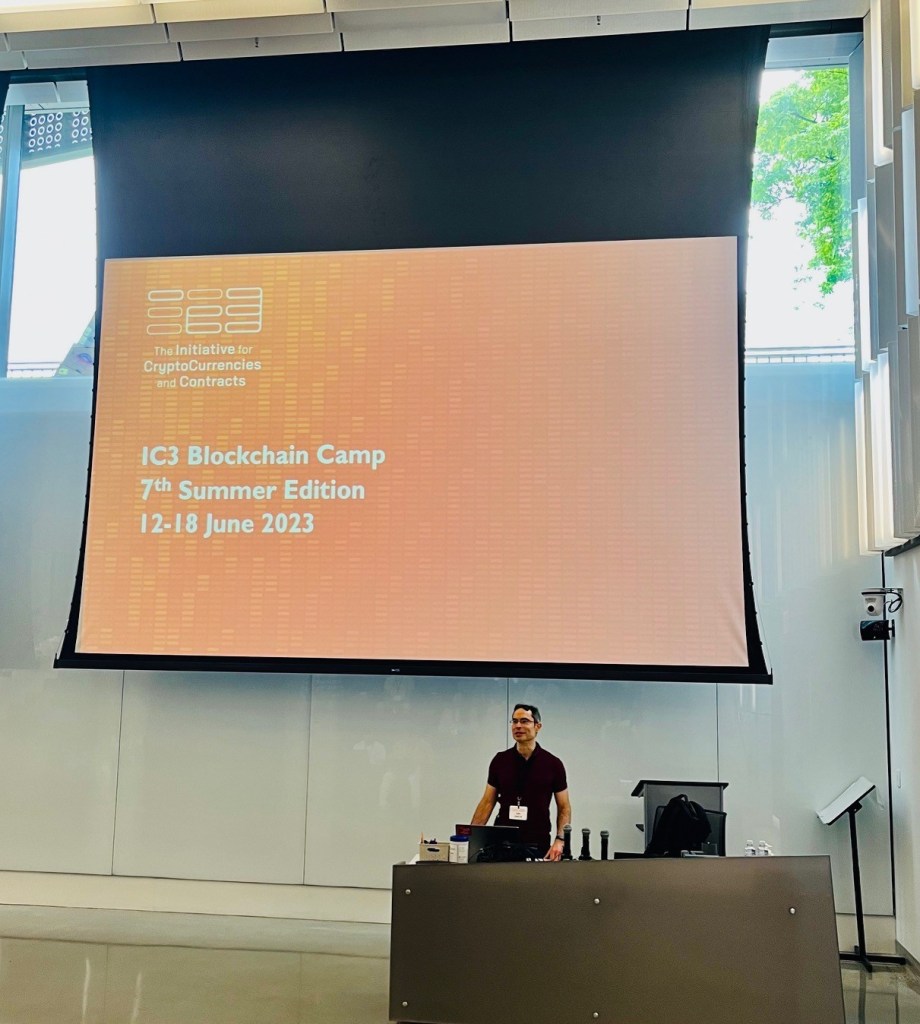
June 12-18, 2023 – Cornell Tech (Roosevelt Island), New York, NY
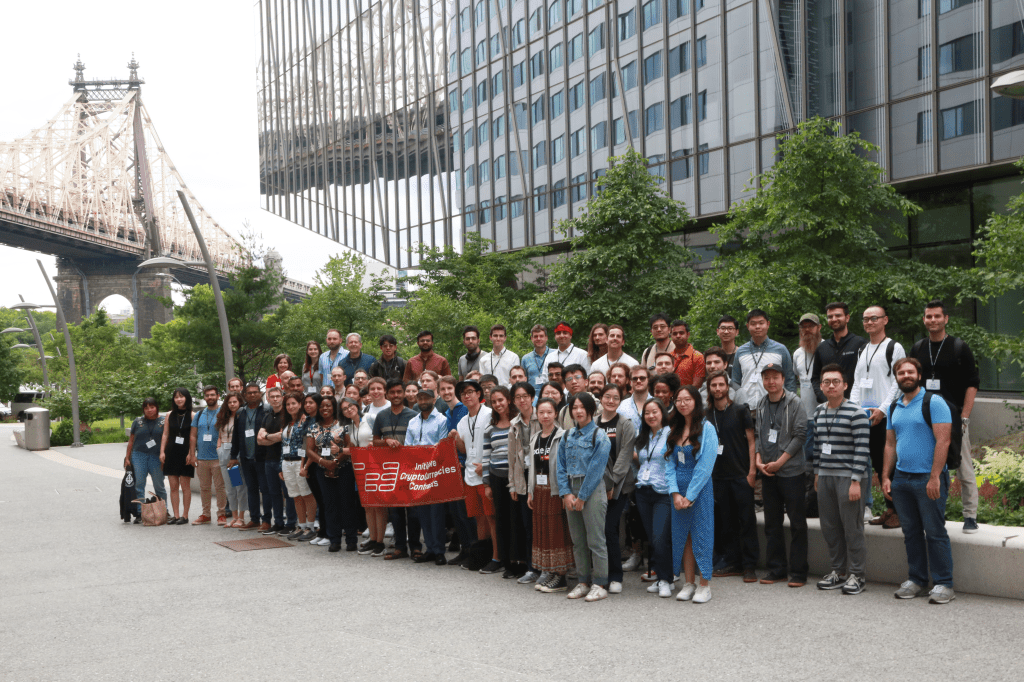
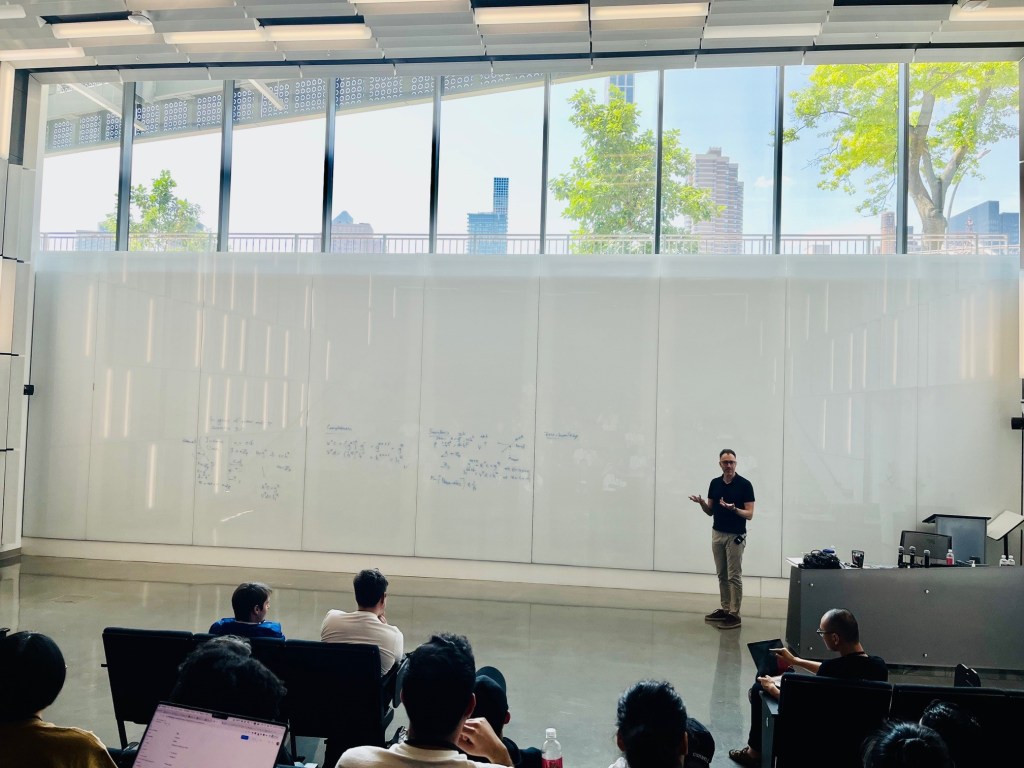
This 7-day experience was hosted at the Cornell Tech Campus on Roosevelt Island, New York City, NY for the first time this year. A special thank you is also due to our camp technical committee of Surya Bakshi, Haaroon Yousaf, Lorenz Breidenbach, and Patrick McCorry for preparing another immersive coding and learning experience and to the IC3 Industry Partners!
Sponsors

We would like to offer a special thank you for their generous support for this year’s edition to Reclaim Protocol by CreatorOS Inc. and Fenbushi Capital, and closing party sponsor Chainlink Labs.
Schedule & Activities
Our five-day content program included research talks about DeFi, infrastructure, DAOs, cryptography, Metaverse, NFTs, gaming, and more, as well as our seven-day hackathon.
| IC3 2023 Blockchain Camp Agenda | ||
| Monday – June 12, 2023 ~ Project Intros ~ Chairs: Patrick McCorry | ||
| 8:30 – 9:30am | Breakfast | Bloomberg Lower Level |
| 9:30 – 11:30am | Session I (75 minutes) | BLM 131 |
| 1. Ari Juels (Cornell Tech) – “State of the Union” | ||
| 2. Project Intros & Team Selection | ||
| 11:30am – 1:00pm | Allocated time with mentor (All Breakout Rooms) | BLM 61, 71, 81, 91; TIC 141, 151 |
| 1:00 – 2:00pm | Lunch ~Seoul Town~ | Bloomberg Lower Level |
| 2:00 – 5:30pm | Allocated time with mentor (All Breakout Rooms) | BLM 61, 71, 81, 91; TIC 141, 151 |
| 5:30 – 7:30pm | Opening Reception | Bowtie Space (Tata Innovation Center) |
| Tuesday – June 13, 2023 ~ Cryptography ~ Chair: Sarah Meiklejohn | ||
| 8:30 – 9:30am | Breakfast | Bloomberg Lower Level |
| 9:30 – 10:30am | Session I (60 minutes) | BLM 131 |
| 1. Dawn Song (UC Berkeley) & Fan Zhang (Yale) – “zkBridge: Trustless Cross-Chain Bridges Made Practical” | ||
| 2. Ian Miers (UMD) – “Zero-moon: 10 years of ZK proofs in the real world and what’s next whether you love cryptocurrency or hate it” | ||
| 10:30 – 10:45am | Break (15 minutes) | Bloomberg Lower Level |
| 10:45 – 11:45am | Session II (60 minutes) | BLM 131 |
| 1. Nico Serrano (Ethereum Foundation) – “Trusted Setup: KZG Ceremony” | ||
| 2. Jake Caban-Tomski (Ethereum Foundation) – “WAX – Wallet Account Experiments” | ||
| 3. Carolina Ortega (Cornell Tech) & Yunqi Li (UIUC) – “SGX Sting” | ||
| 11:45am – 12:00pm | Break (15 minutes) | Bloomberg Lower Level |
| 12:00 – 1:00pm | Session III (60 minutes) | BLM 131 |
| 1. Zhenfei Zhang (Ethereum Foundation & Scroll) – “HyperZexe: recursive HyperPlonk for fully function-private smart contract“ | ||
| 2. Vivian Jeng (Ethereum Foundation) – “UniRep protocol: an anonymous data system” | ||
| 1:00 – 2:00pm | Lunch ~Nacho Feast~ | Bloomberg Lower Level |
| 2:00 – 4:00pm | Jens Groth (Dfinity/University College London) – “ZK Tutorial” | BLM 131 |
| 4:00pm – onwards | Allocated time with mentor (All Breakout Rooms) | BLM 61, 71, 81, 91; TIC 141, 151 |
| On your own for dinner | ||
| Wednesday – June 14, 2023 ~ DeFi & Crypto ~ Chair: Lorenz Breidenbach | ||
| 8:30 – 9:30am | Breakfast | Bloomberg Lower Level |
| 9:30 – 10:30am | Session I (60 minutes) | BLM 131 |
| 1. Ariah Klages-Mundt (Cornell) – “Designing Resilient Oracles” | ||
| 2. Emin Gun Sirer (Ava Labs) – “Coin Operated Agents: Bringing the AI Revolution to Blockchain” | ||
| 10:30 – 10:45am | Break (15 minutes) | Bloomberg Lower Level |
| 10:45 – 11:45am | Session II (60 minutes) | BLM 131 |
| 1. Phil Daian (Flashbots) – “Open Problems in MEV — the trillion dollar question?” | ||
| 2. Andrew Miller (UIUC) – “TEE-based smart contracts: wat do & research challenges” | ||
| 11:45am – 12:00pm | Break (15 minutes) | Bloomberg Lower Level |
| 12:00 – 1:00pm | Session III (60 minutes) | BLM 131 |
| 1. Juan Pablo Cianci (Protocol Labs) – “Gas demand dynamics: modeling and uncertainty quantification” | ||
| 2. Patrick McCorry (Arbitrum Foundation) – “MEV in the context of rollups” | ||
| 1:00 – 2:00pm | Lunch ~Sandwich & Salad Buffet~ | Bloomberg Lower Level |
| 2:00pm – onwards | Allocated time with mentor (All Breakout Rooms) | BLM 61, 71, 81, 91; TIC 141, 151 |
| On your own for dinner | ||
| Thursday – June 15, 2023 ~ NFTs, Metaverse & Gaming ~ Chair: Haaroon Yousaf | ||
| 8:30 – 9:30am | Breakfast | Bloomberg Lower Level |
| 9:30 – 10:30am | Session I (60 minutes) | BLM 131 |
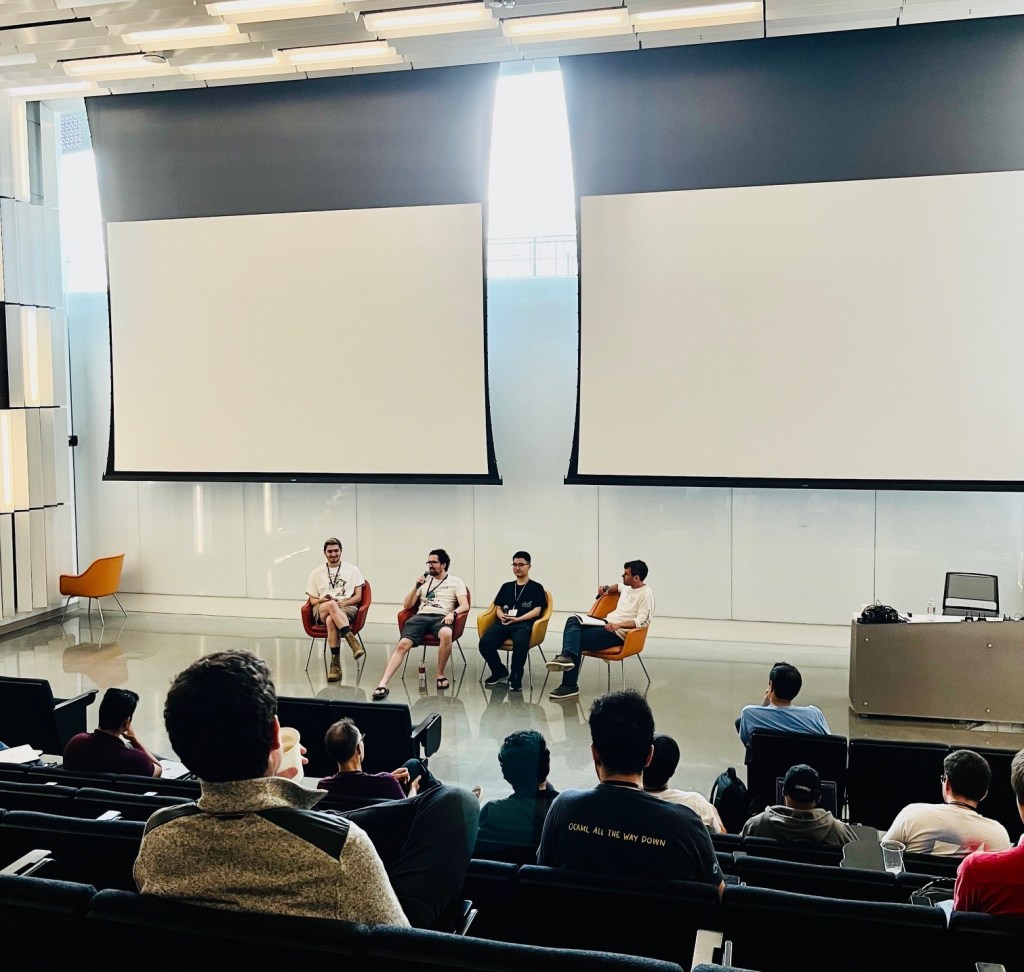
| NFT, Metaverse, and Gaming Panel Moderator: Tyler Kell | ||
| 10:30 – 10:45am | Break (15 minutes) | Bloomberg Lower Level |
| 10:45 – 11:45am | Session II (60 minutes) | BLM 131 |
| 1. Tyler Kell (Upshot) – “NFTs X DeFi: Intersections” | ||
| 2. James Grimmelmann (Cornell Tech) – “Why NFT Licensing is Hard” | ||
| 11:45am – 12:00pm | Break (15 minutes) | Bloomberg Lower Level |
| 12:00 – 1:00pm | Session III (60 minutes) | BLM 131 |
| 1. Lydia Chiu (Ava Labs) – “Bringing Web3 Mainstream on Avalanche” | ||
| 2. Group Picture – Cornell Tech Plaza | ||
| 1:00 – 2:00pm | Lunch ~Sandwich & Salad Buffet~ | Bloomberg Lower Level |
| 2:00 – 2:30pm | Rump Session Moderator: Tyler Kell | BLM 131 |
| 2:30 – 6:00pm | Group Outing – Hudson River Cruise (4-6pm) | |
| On your own for dinner | ||
| Friday – June 16, 2023 ~ Infrastructure & Scalability ~ Chair: Andrew Miller | ||
| 8:30 – 9:30am | Breakfast | Bloomberg Lower Level |
| 9:30 – 10:30am | Session I (60 minutes) | BLM 131 |
| 1. Anish Naik (Trail of Bits) – “Medusa: Applying Fuzz Testing to Smart Contracts” | ||
| 2. Kartik Nayak (Duke University) – “HotStuff-2: Optimal Two-Phase Responsive BFT” | ||
| 10:30 – 10:45am | Break (15 minutes) | Bloomberg Lower Level |
| 10:45 – 11:45am | Session II (60 minutes) | BLM 131 |
| 1. Dahlia Malkhi (Chainlink Labs) – “SMC: State-Machine Collaboration” | ||
| 2. George Danezis (Mysten Labs) – “Sui Lutris: A blockchain combining broadcast and consensus” | ||
| 11:45am – 12:00pm | Break (15 minutes) | Bloomberg Lower Level |
| 12:00 – 1:00pm | Session III (60 minutes) | BLM 131 |
| 1. Andy Arditi (Scroll) – “zkEVM Design, Challenges, Optimizations” | ||
| 2. Joe Bonneau (NYU) – “Distributed Randomness Beacons” | ||
| 1:00 – 2:00pm | Lunch ~Build Your Bowl – Farmer’s Market~ | Bloomberg Lower Level |
| 2:00 – 6:00pm | Allocated time with mentor (All Breakout Rooms) | BLM 61, 71, 81, 91; TIC 141, 151 |
| On your own for dinner | ||
| Saturday – June 17, 2023 ~ DAOs & Public Goods ~ Chair: Surya Bakshi | ||
| 8:30 – 9:30am | Breakfast | Bloomberg Lower Level |
| 9:30 – 10:30am | Session I (60 minutes) | BLM 131 |
| 1. Chris Buckland (Offchain Labs) – “DAO rollup upgrades” | ||
| 2. Evan Miyazono (Protocol Labs) – “Mechanisms of the future’s public goods economy” | ||
| 10:30 – 10:45am | Break (15 minutes) | Bloomberg Lower Level |
| 10:45 – 11:45am | Session II (60 minutes) | BLM 131 |
| 1. Kelvin Fichter (Optimism) – “Optimism’s Fault Proving Program” | ||
| 2. Yan Ji (Cornell Tech) – “Quasi-decentralized system design” | ||
| 11:45am – 12:00pm | Break (15 minutes) | Bloomberg Lower Level |
| 12:00 – 1:00pm | Session III (60 minutes) | BLM 131 |
| Layer 2 Protocols, DAOs, and Public Goods Fireside Chat Moderator: Andrew Miller | ||
| 1:00 – 2:00pm | Lunch ~Tiffin~ | Bloomberg Lower Level |
| 2:00 – 3:30pm | Student Talks | BLM 131 |
| 1. Bolton Bailey (UIUC) – “Quantum Consensus” | ||
| 2. Ke Wu (CMU) – “Cryptography for decentralized mechanism design” | ||
| 3. Nerla Jean-Louis (UIUC) – “TEE MEV” | ||
| 4. Hao Chung (CMU) – “Rapidash” | ||
| 5. Tanusree Sharma (UIUC) – “Unpacking How DAOs Work in Practice” | ||
| 6. Roi Bar-Zur (Technion) – “Deep Bribe” | ||
| 7. Youer Pu (Cornell University) – “Sandglass: Safe Permissionless Benign Consensus” | ||
| 8. Ali Farahbakhsh (Cornell University) – “Gorilla Consensus” | ||
| 9. Xiaoyuan Liu (UC Berkeley) – “CoLearn: Towards Decentralized Programming and Decentralized Data Science” | ||
| 4:00pm – onwards | Allocated time with mentor (All Breakout Rooms) | BLM 61, 71, 81, 91; TIC 141, 151 |
| On your own for dinner | ||
| Sunday – June 18, 2023 ~ Presentations ~ Chair: Tyler Kell | ||
| 8:30 – 9:30am | Breakfast | Bloomberg Lower Level |
| 9:30am – 1:00pm | Allocated time with mentor (All Breakout Rooms) | BLM 61, 71, 81, 91; TIC 141, 151 |
| 1:00 – 2:00pm | Lunch ~Asian Fusion~ | Bloomberg Lower Level |
| 2:00 – 4:00pm | Team Presentations | BLM 131 |
| 4:00 – 5:30pm | Break – Get ready for the party! | |
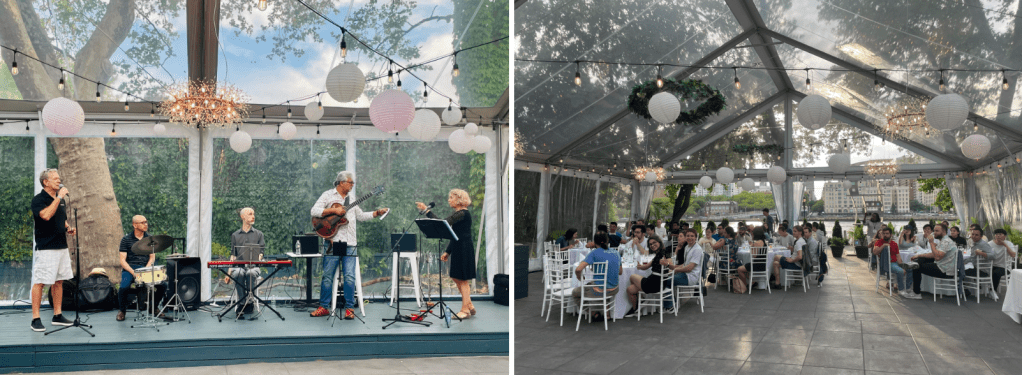
| 5:30 – 10:30pm | Closing Party & Award Ceremony ~Sponsored by Chainlink~ | The Sanctuary RI |
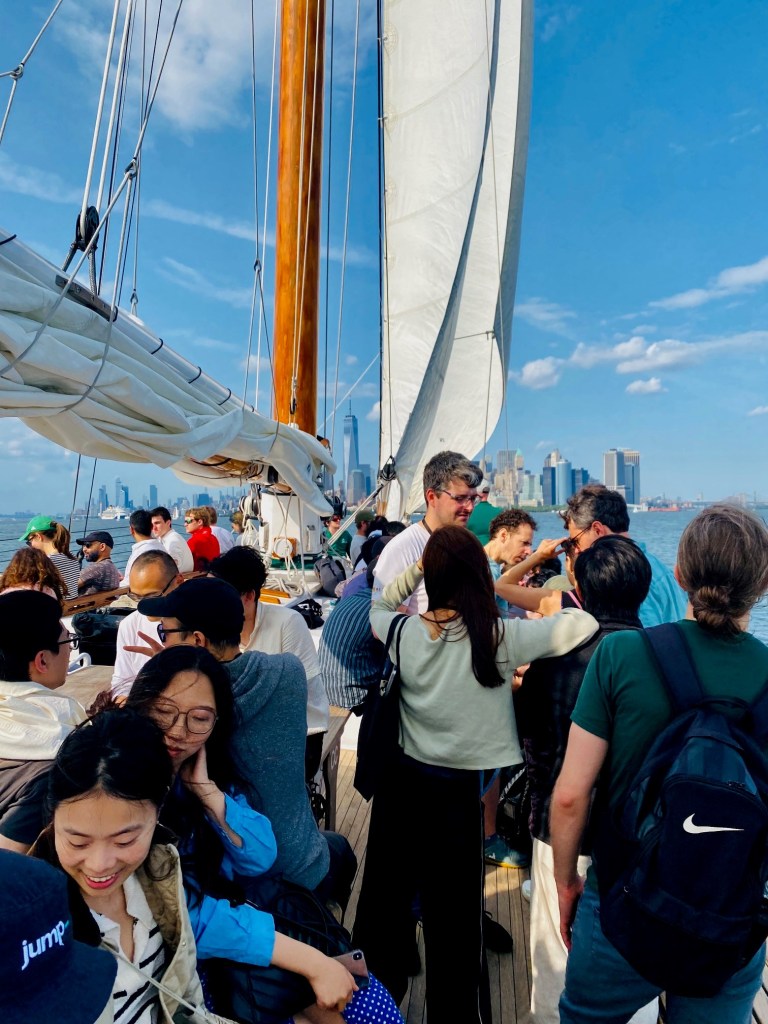
In addition to tech talks, panels and projects, we sailed the Hudson River (see video). Here is a glimpse from our sail from the Chelsea Piers to the Statue of Liberty and back.
The Hackathon
Project teams self-selected projects on Monday after considering the project proposals. The teams coded throughout the week, and made project presentations and demos on Sunday. Six hackathon teams submitted projects this year. Projects were judged by Sarah Allen (IC3), Patrick McCorry (Arbitrum Foundation), and Surya Bakshi (Offchain Labs). The judging criteria were novelty, practicality, user experience, technical difficulty, and maturity of development within the week.
Top 3 Projects:
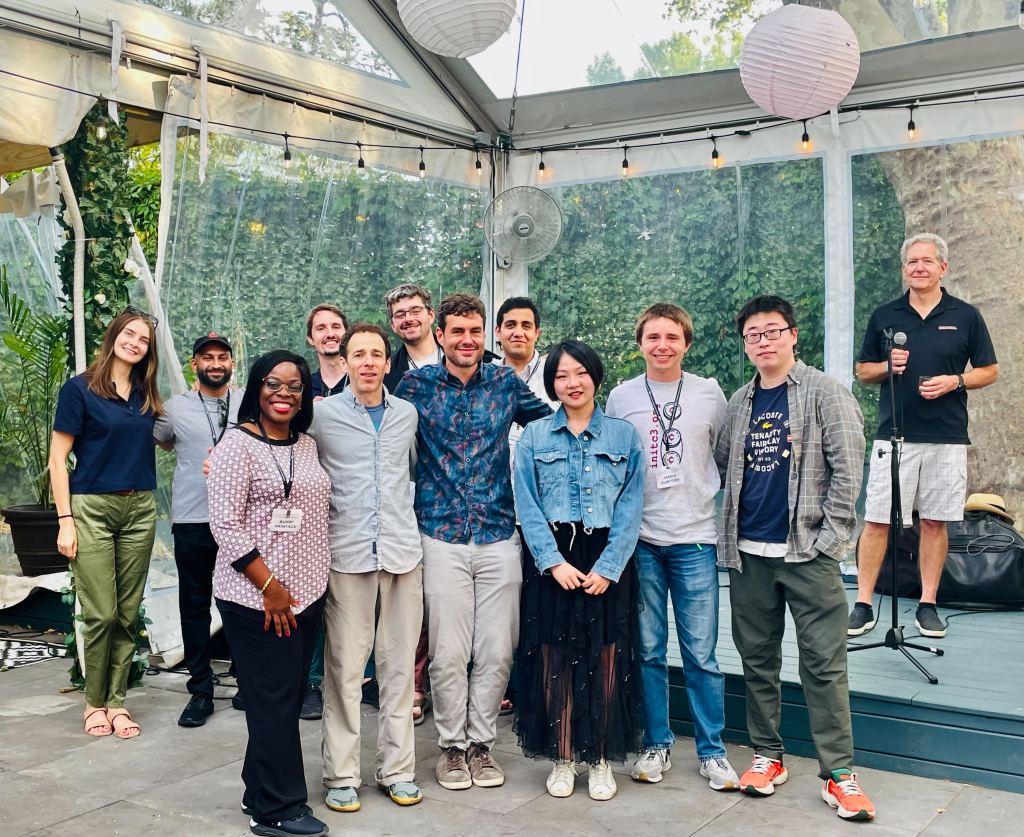
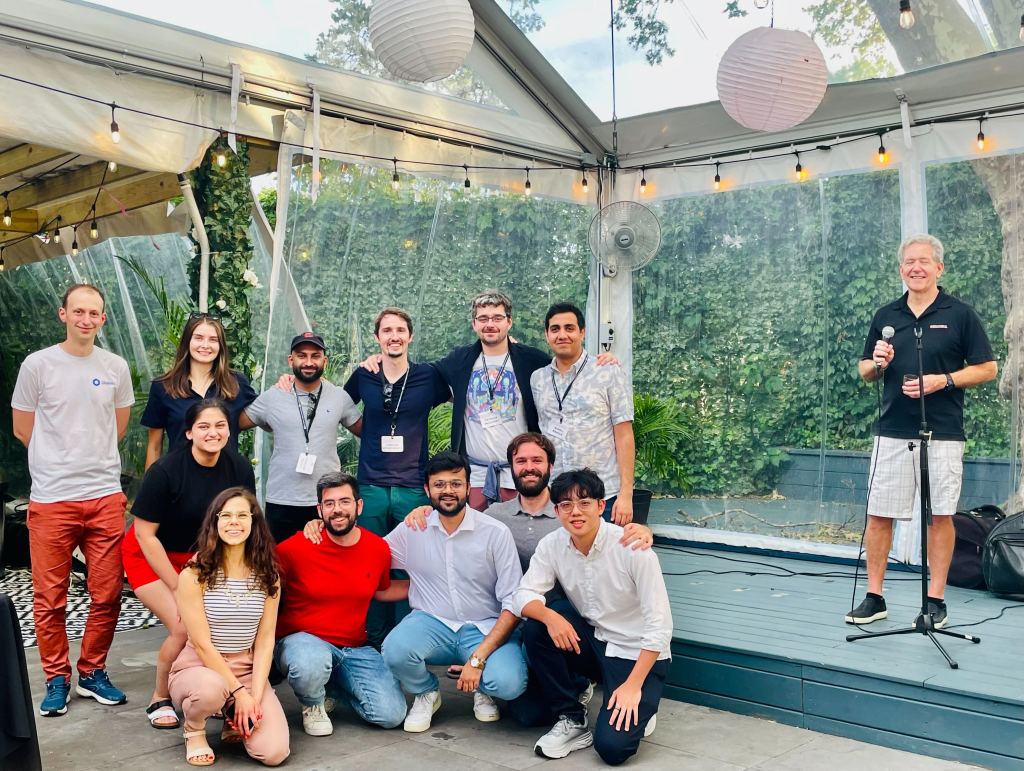
First Place: “TEE”
Team Members: Andrew Miller (project leader), Sylvain Bellemare (project leader), Gabriel Arrouye (project leader), Bunmi Akintade, Yunqi Li, James Austgen, Zhengxun Wu, Swei Chen, Amber Seira, and Nerla Jean-Louis.
Summary: TEE smart contracts like Secret, Oasis, Phala, Obscuro are a hot new programming frameworks. However, they have faced a significant obstacle to providing privacy, which is the need to use ORAM (e.g., linear scan or tree-based ORAM) to avoid access pattern side channels.
This problem was pointed out by the SGXonerated paper, but since the vulnerability disclosure there has not been a viable solution. It turns out there’s a promising approach based on “off-chain computing” with TEE-based smart contracts. Basically the TEE-based smart contract can act like a zk Rollup, using encryption and authentication. The basic concept was proposed on the Secret Network forum, although it is applicable to Obscuro and Oasis as well. In this hackathon project we developed Proofs of Concept of “Off-chain ORAM” to provide token privacy in two separate networks: Oasis Sapphire (EVM based), Secret Network (CosmWasm based).
We also experimented with alternative ways to explain the concept, such as a toy example “Hash Machine” that illustrates the off-chain computing concept (and developed in a third network, Obscuro, also EVM based). Our Sapphire deployment was the furthest along, and our project presentation culminated with a live demo against the Sapphire test network. We also developed User Interface mockups. Our open source codebase and blog post (in progress) will help these TEE-based systems enhance their privacy.
Resources: Secret Network forum
Second Place: “DECO”
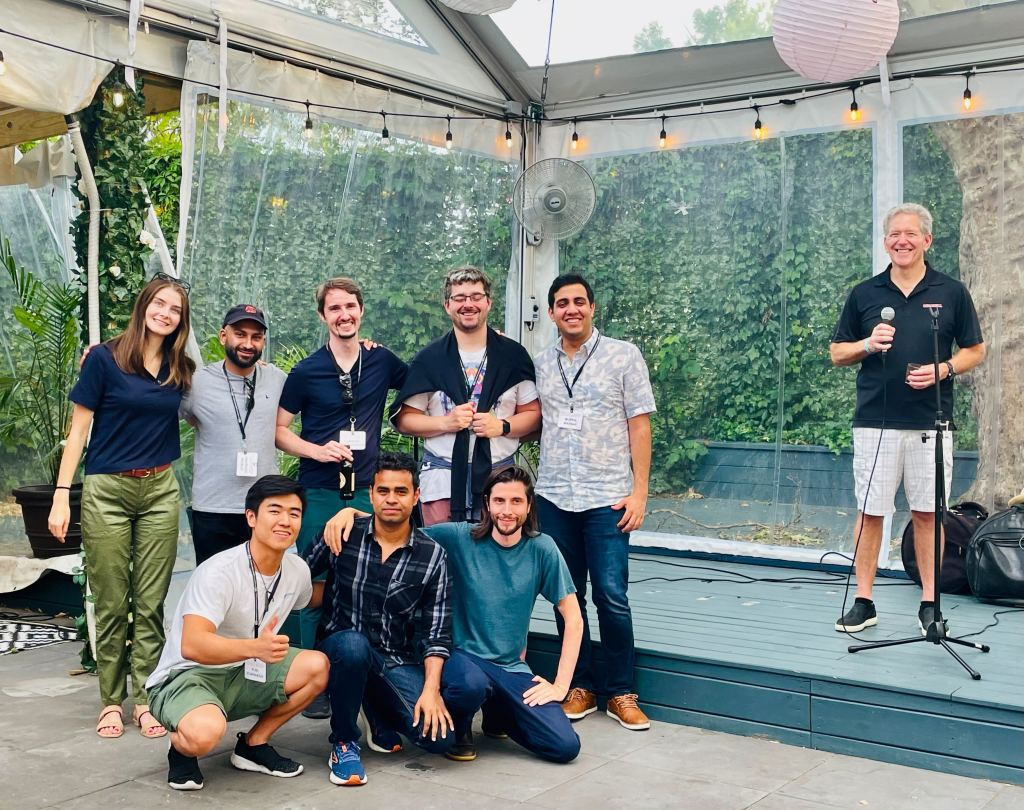
Team Members: Lorenz Breidenbach (project leader), Harjasleen Malvai (lproject leader), Alexandru Topliceanu (project leader), Ulisses Kee, Tom Yurek, Roi Bar-Zur, Marwa Moallem, Nihar Shah, Dahlia Malkhi, and Parth Gargava
Summary: In this project, we built an end-to-end system that allows users who satisfy certain criteria to obtain an identity and use it. In particular, we simulated a Chainlink DAO – a governance smart contract handling voting.
In our DAO, only users who are especially involved (as shown by their online interactions with Chainlink) with Chainlink and could even be called true believers 🦹 can qualify to enroll. We used one or more external web sources to confirm how enthusiastic a user is about Chainlink, use these to generate attested credentials and finally, gather credentials to form identities.
Those who are enthusiastic about Chainlink are obviously very smart and cool 😎. So, like all cool people, they are both opinionated and privacy conscious – they do not want to reveal personal information and they also do not want to reveal what they vote for, lest it be divisive. These privacy requirements pose interesting challenges!
Resources: Proposal writeup
Third Place: “EIP 1559”
Team Members: Juan Pablo Madrigal Cianci (project leader), Chris Buckland, Abhimanyu Rawat, and Yuki Yuminaga
Summary: The recent surge in blockchain technology and decentralized applications (dApps) has laid bare the limitations of existing Ethereum transaction systems, thereby triggering a pressing demand for an efficient and predictable gas fee structure. The proposed project aims to address this challenge by integrating the EIP 1559 mechanism with gas lanes, an innovative approach to enhance transaction predictability and network scalability.
Resources: Proposal and Demo.
Additional Projects
Metamath
Team Members: Bolton Bailey (project leader), Jiasun Li, and Deepak Maram
Summary: There is a great potential for synergy between zero-knowledge proofs (which allow for succinct cryptographic checking of any computational statement) and formal proofs (which allow any mathematical statement to be checked computationally). In this project, we looked at using the many zero-knowledge codebases that have proliferated in the last few years to check Metamath, a language for formal theorem proving. Metamath has a variety of implementations (see here) and has the potential to be a good benchmark between systems, as well as being independently useful as a backend to many formal method projects.
Resources: Metamath Topics
Unirep
Team Members: Vivian Jeng (project leader), Chiali Tsai (project leader), Nico Serrano, and Joy Wang
Summary: UniRep is a zero-knowledge protocol that securely manages user data through anonymous identifiers, enabling trustless interactions and enhanced user privacy in applications. UniRep expands the notion of reputation to include various user data aspects, such as preferences, activity, alignments, and ownership. Using anonymous identifiers (epoch keys), The protocol allows for trustless engagement with applications while preserving user privacy. This approach promotes non-custodial applications that don’t hold user data, reducing data breach risks and emphasizing security for both users and developers.
Cross chain perpetuals
Team Members: Dheeraj Chakilam (project leader), Haaroon Yousaf, Ali Farahbakhsh, Louis-Henri Merino, Abhay Khanna, Sean Wells, Kosala Yapa, and Shamseer Chettiyankandy
Summary: We used layer zero, axelar, hyperlane or another protocol to build a perpetual swap aggregator across chains.
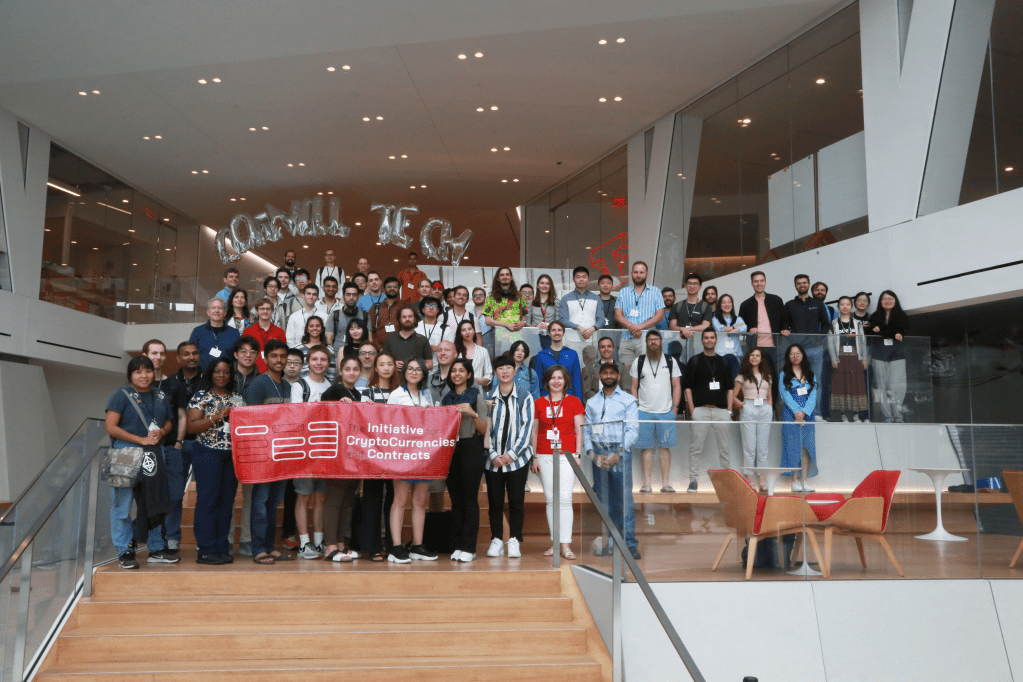
Thanks again to all who participated in the 2023 IC3 Blockchain Camp and we hope to see you at future IC3 events!
 IC3 - The Initiative for Cryptocurrencies and Contracts